Nigerian Mothers Are Finally Talking About the Thing They're Most Ashamed Of — and a Simple 21-Day Guide Is Quietly Changing What Happens in Their Homes
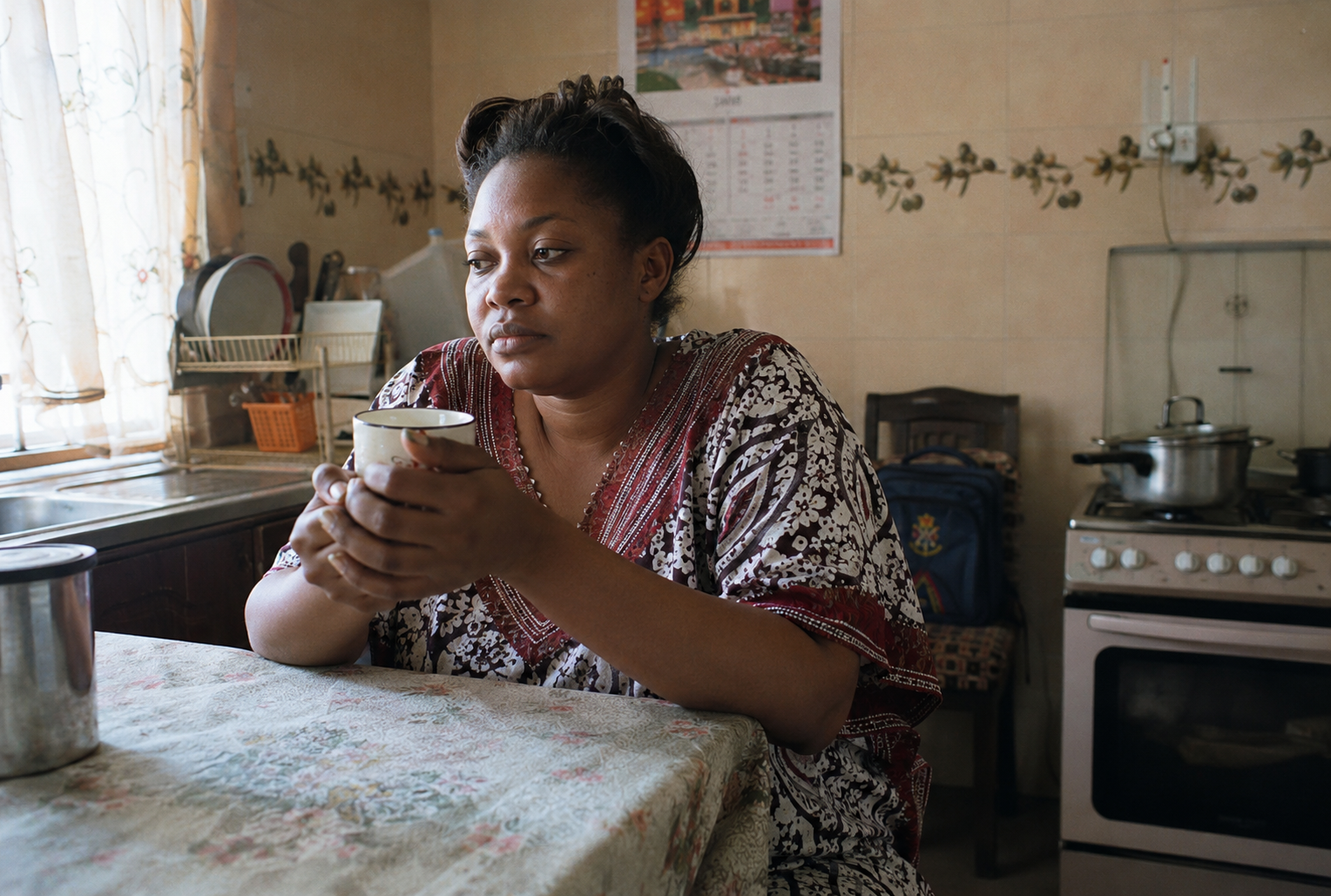
You did not plan this morning to go the way it went.
You woke up with the best intentions. You were going to be calm. Patient. The kind of mother you always pictured yourself being. Then the school shoes were missing. Then someone spilled on the uniform. Then the back-talk started, and before you could stop yourself, your voice was already at that level.
The level that makes the room go quiet.
The level that makes your children look at you differently, just for a second, before they look away.
You got in the car and drove in silence. Why do I keep doing this? I swore I would be different. You dropped them off. Smiled at the teacher. Drove home or to work with that heavy, familiar feeling sitting on your chest like something you cannot put down.
If you grew up in a Nigerian home, you already know this feeling has a history. You watched it happen. You told yourself you would never. And yet here you are, and the voice that comes out of you when you are pushed past your limit sounds so much like hers that it frightens you.
Not because you are a bad mother. You are not.
But because you are a tired one. And nobody gave you any tools. Just the example of what was done to you.
Why do I keep losing my temper before I can stop it? Why can't I just be calm? You have asked yourself this so many times you have stopped expecting an answer.
You have tried counting to ten. You have tried leaving the room. You have watched the reels, read the threads, saved the posts about "gentle parenting" — and then at 7am on a Tuesday, when nobody cooperates and time is running out, all of that disappears and only the rage is left.
You are not broken. You were never taught how to do this differently. There is a very specific reason why the anger keeps returning no matter how hard you try to stop it. And once you understand that reason, everything changes.
Read every word of what follows. What you find here may be the most honest thing a Nigerian mother has ever said to another one about this subject.
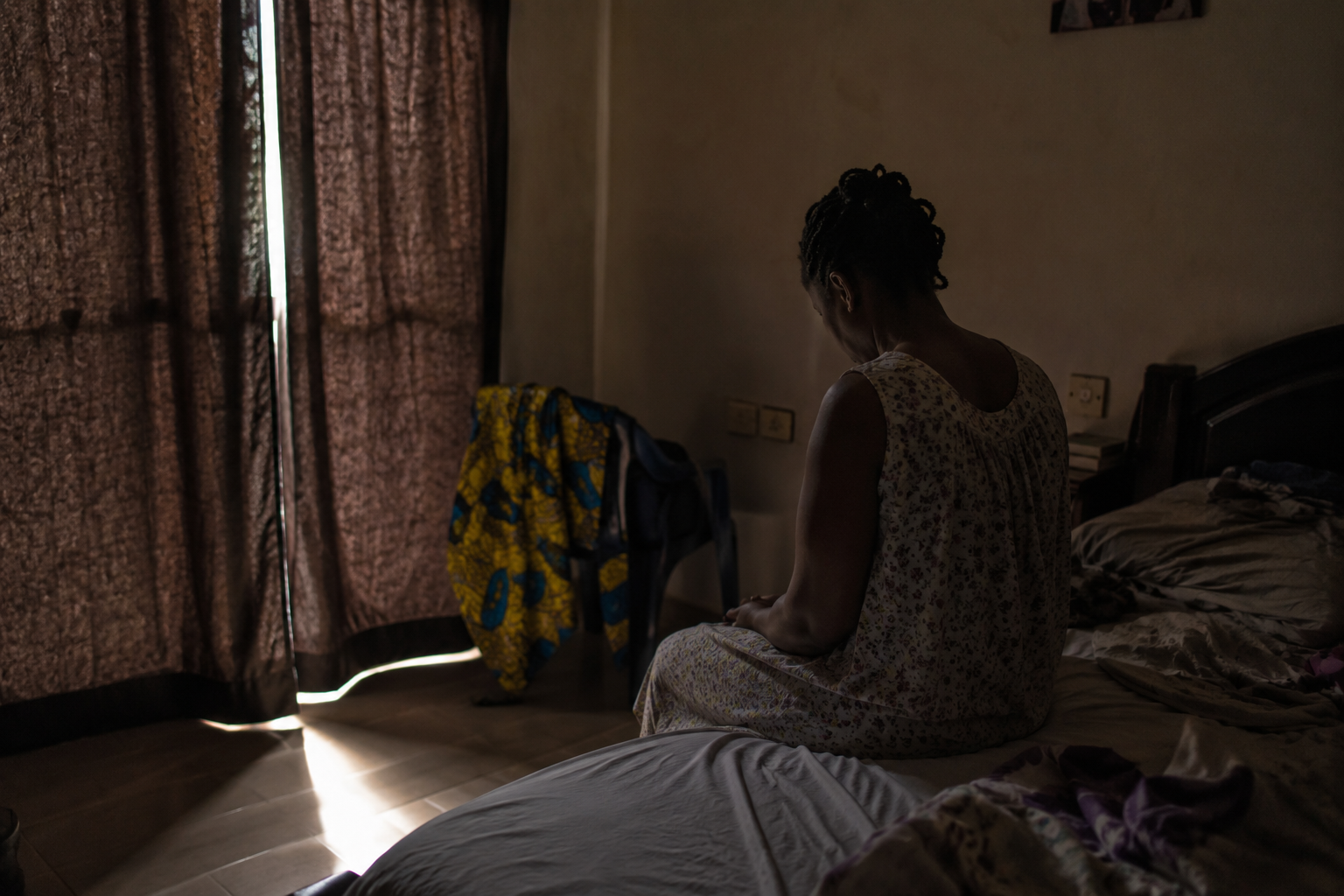
The Day I Saw My Daughter Flinch
My name is Adaeze. I am a mother of three — two girls, one boy, all under twelve. I grew up in Enugu in a home where love was shown through sacrifice, not softness. My mother worked herself to the bone for us. She never missed a school fee. She never missed a meal she cooked for us. But she also never missed the opportunity to remind us, loudly and physically, exactly what happened when we stepped out of line.
I did not think I was carrying any of that with me. I thought I had simply decided to be different, and that the decision was enough.
For a few years, it was. When my children were small and mostly manageable, I felt like I had escaped something. I was patient. Warm, even. People told me I was a good mother and I believed them.
Then my first daughter turned seven and something shifted. She had opinions. She had pushback. She would look me directly in the eye and repeat the same thing she had already been told not to do, as though my words had simply not registered. And the patience I thought I had — it was not patience at all. It was just the absence of sufficient provocation.
The shouting came back slowly. Once a week. Then twice. Then most mornings. I would hear myself mid-sentence and feel a kind of horror — not enough to stop, but enough to feel sick about it afterward.
I tried everything I could find. I bought a book on conscious parenting that I read forty pages of before life swallowed it. I downloaded an app that sent me calming notifications I learned to dismiss without reading. I joined a Facebook group for Nigerian mothers where everyone shared the same posts about deep breathing and nobody talked about what it actually felt like to lose your temper at your children three times before school run.
I tried waking up earlier to have peace before the chaos. I tried preparing everything the night before. I tried the sticker chart. I tried removing privileges. I tried, honestly, harder than I had ever tried at anything. And none of it touched the root of what was actually happening.
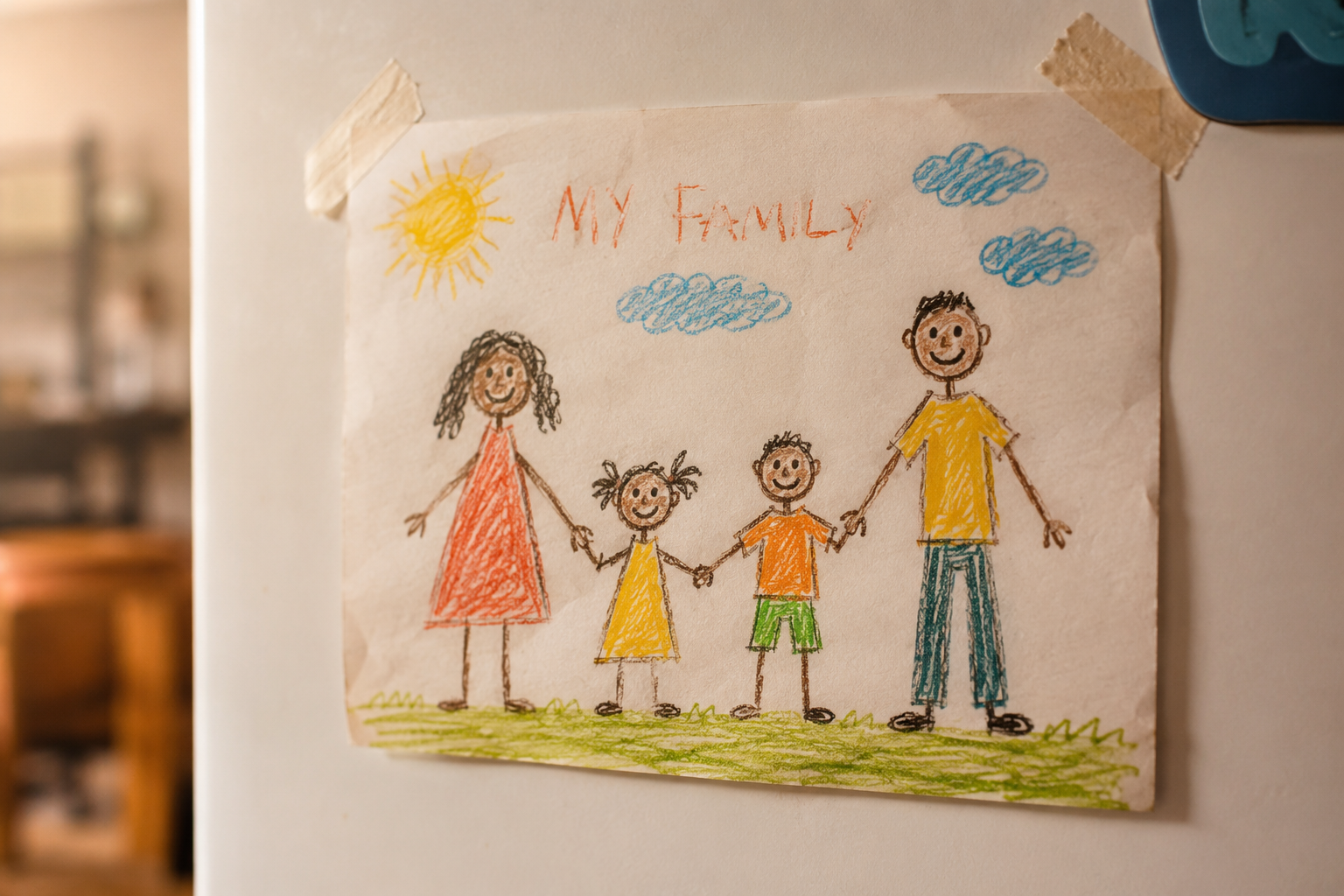
The turning point came on an ordinary Wednesday.
My daughter was dragging her feet getting ready and I had already asked her four times. When I raised my voice the fifth time, I saw it. Just for half a second. She flinched.
Not because she thought I would hit her. I never have. She flinched because the sound of my voice in that register had become something her body responded to before her mind did. I had trained her, without meaning to, to be afraid of my anger.
I sat in the car afterward and I could not move for a long time. I am doing to her exactly what was done to me. And I do not know how to stop.
A few weeks after that, I was talking to an older woman in my church — Mama Ngozi, everyone called her, one of those women who raised six children and somehow none of them are broken. I asked her, half joking, how she never seemed to shout. She laughed and said something I have not forgotten.
"The anger is not the problem. The anger is the alarm. You have to find what is setting it off, not fight the sound of it."
That one sentence sent me down a path that changed everything about how I parent.
I spent months researching. I talked to mothers in Lagos, Abuja, Port Harcourt. I spoke to a child development counsellor in London who grew up in a Nigerian home. I went back through everything I had read about emotional regulation and translated it — properly translated it — into language and steps that actually fit our lives, our history, our specific cultural pressure.
What I found was this: Nigerian mothers are not angrier than other mothers. But we were given a particular inheritance — a set of responses, triggers, and silences — that nobody taught us how to examine. And until you examine it, you cannot change it. Not by trying harder. Only by understanding what is actually happening inside you when the trigger fires.
Once I had that map, the shouting did not disappear overnight. But within three weeks, I had gone from losing my temper almost every day to losing it once in that entire period. My daughter stopped flinching. My son started coming to tell me things he had previously hidden. My home became a different place.
I wrote everything down. Every step, every script, every framework I used. Because I knew I was not the only one sitting in a car unable to move after a school run, wondering what kind of mother I was becoming.
So I Packaged Everything Into One Guide
Every step. Every script. Every framework. Built specifically for Nigerian mothers who are exhausted from trying and still failing.
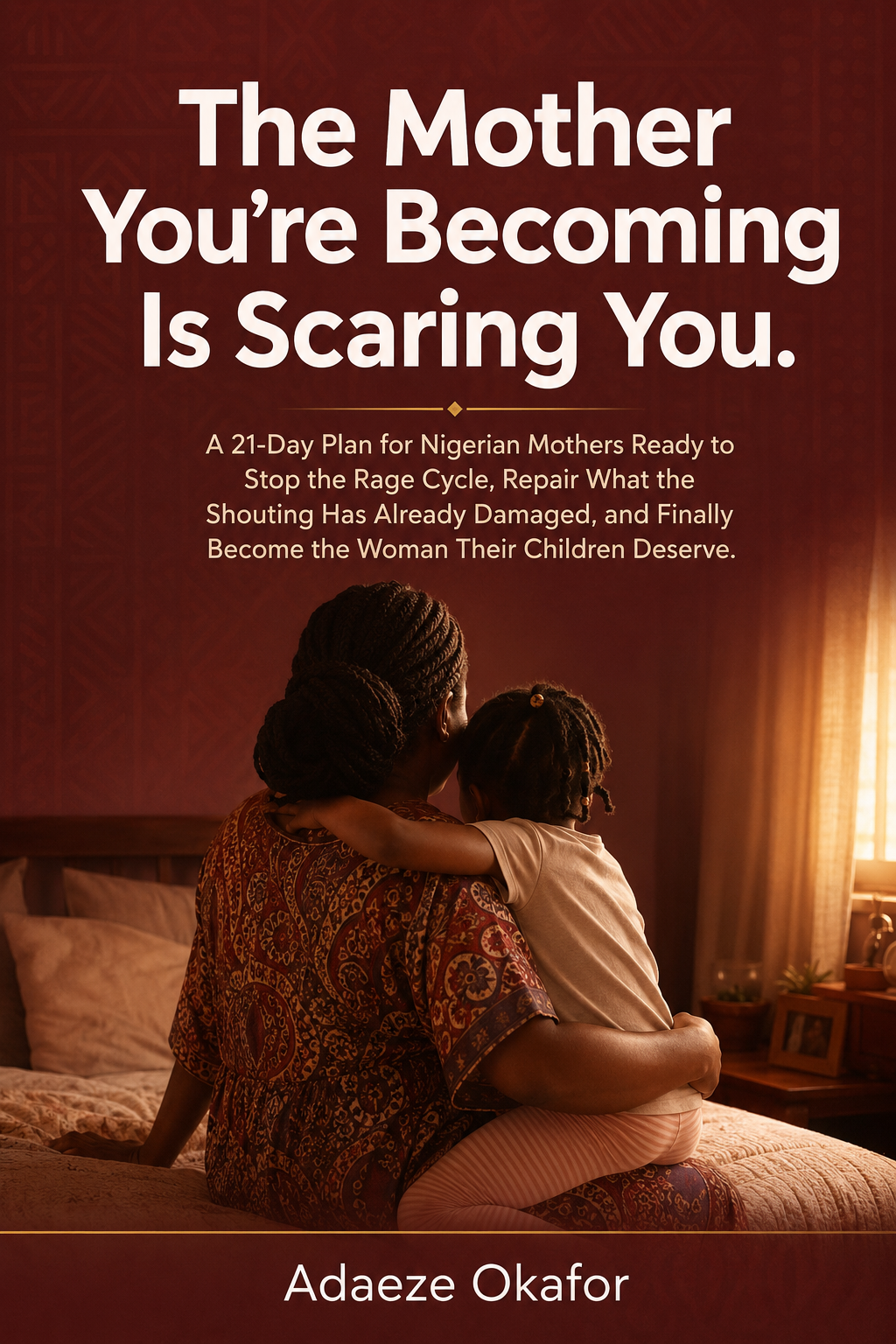
What Is Inside This Guide
Before you can stop the anger, you need to know exactly what starts it. This section walks you through a simple but deeply revealing process to identify your personal anger triggers — the specific situations, words, tones, and times of day that bypass your self-control before you even notice. Most mothers who complete this section say it is the first time they have understood their own pattern rather than just experiencing it. You will finish this phase knowing your own alarm system better than you ever have.
This is the most important section in the guide. There is a window — sometimes just two seconds — between what sets you off and what you do next. Nigerian mothers were never taught this window exists, let alone how to use it. This phase gives you three specific techniques to widen that window, practised in small daily steps over ten days, until the pause becomes automatic. These are not breathing exercises from a Western wellness app. They are grounded in your actual life — your actual mornings, your actual children, your actual exhaustion — and they work precisely because of that specificity.
Stopping the anger is only half the work. This section gives you the exact words and actions to begin rebuilding the trust, warmth, and openness that repeated anger has quietly cost you with your children. You will find specific scripts for different ages — what to say to a seven-year-old is not what you say to a thirteen-year-old — and a simple daily practice that begins repairing the relationship without requiring a single dramatic conversation. Mothers who have used this phase report their children becoming noticeably more open within the first week.
This is where you go deeper than the surface behaviour. This section helps you understand the specific patterns you inherited from your own upbringing — not to blame your mother, but to stop carrying what she passed to you. You will work through a short but powerful written exercise that many mothers describe as the most clarifying thing they have ever done for themselves. When you understand where your responses came from, you stop fighting yourself and start actually changing.
This section is what separates lasting change from temporary improvement. It gives you a simple weekly rhythm — three small practices that take under fifteen minutes total — to keep the progress you have made from quietly reversing under pressure. It also includes a reset protocol for hard days, because hard days will still come and the goal is not perfection. The goal is recovery time. Mothers who implement Phase 5 report that after 90 days, the calm is no longer something they maintain by effort. It has become their default.
The guide includes a personal trigger tracker, a daily emotional temperature check-in sheet, a conflict script card you can keep in your phone, a week-by-week progress log, and a family repair conversation starter — five practical tools you use alongside the reading. You do not just read this guide. You work through it. And that is precisely why it produces results that reading alone never has.
Why This Works When Everything Else Has Failed You
Every other resource you have tried — the reels, the books, the breathing advice — was built on the assumption that you simply lack awareness or self-control. So it gave you more awareness tools and more self-control techniques. And it failed, not because you did not try hard enough, but because awareness alone does not interrupt a pattern that was wired into you in childhood.
What this guide is built on is different. It is built on what researchers and culturally-informed counsellors call the inherited response cycle — the neurological fact that emotional responses learned in childhood become automatic, running faster than conscious thought. You cannot think your way out of them. You can only rewire them through repeated new experience.
That is what the 21 days are for. Not to give you more information about anger. But to give your nervous system enough new experiences, practised consistently enough, that the automatic response begins to change at the root.
This is also why the guide is built entirely around the specific conditions of Nigerian motherhood — the cultural pressure, the school-run timing, the husband dynamics, the in-law expectations, the particular shame of being a Nigerian woman who is not holding it all together perfectly. A generic anger management guide was never going to reach you. This one was built inside your world, not translated from outside it.
The result is a system that does not require you to become a different person. It requires you to understand the person you already are, and give that person a new set of automatic responses. Twenty-one days. One small practice at a time. The same way the old pattern was built — through repetition — a better one is built the same way.
Just So You Know, Putting This Guide Together Cost Me Over ₦180,000
I want you to understand what went into this before you see the price. Because what you are getting is not a quickly written PDF. It is months of work, professional input, and real investment.
| Child development counsellor consultation (3 sessions) | ₦60,000 |
| Professional editor and copy review | ₦35,000 |
| Interviews with 14 Nigerian mothers across Lagos, Abuja, and diaspora | ₦30,000 |
| Graphic design and PDF layout/formatting | ₦28,000 |
| Testing with a group of 20 mothers over 6 weeks | ₦27,000 |
| Total investment to create this guide | ₦180,000+ |
I am not telling you this so you feel sorry for me. I am telling you because the price you are about to see is not a reflection of what this cost to build. It is a deliberate decision to put it in the hands of every Nigerian mother who needs it — not only the ones who can afford ₦50,000 therapy sessions.
What Nigerian Mothers Are Saying
Here Is What This Guide Costs You Today
I put over ₦180,000 into building this. A single session with a parenting counsellor in Lagos costs between ₦25,000 and ₦50,000 — and you would need several sessions to cover what is in these pages. I am not going to charge you anywhere near that.
Not ₦180,000 — what it cost to build Not ₦15,000 — the original price Not ₦10,000That is less than a family takeaway order. Less than a tank of fuel. And it is the one thing that can change what happens inside your home starting this week.
Start Your 21-Day Reset TodayInstant email delivery after payment. Works on any phone or tablet.
Wait — I Have FREE Gifts For You
Order today and these two bonuses are included at no extra cost.
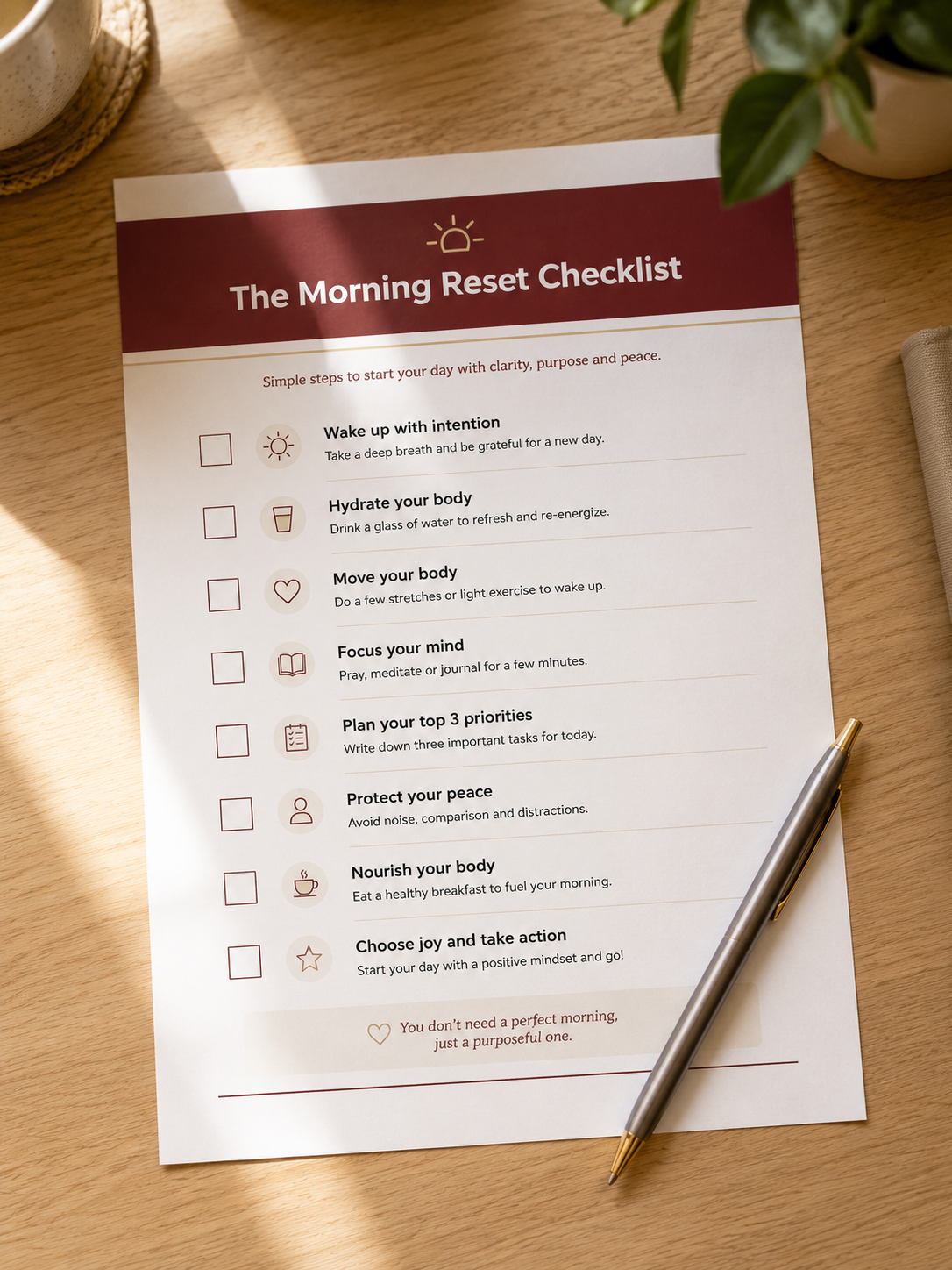
The Morning Reset Checklist
A one-page morning protocol that takes 4 minutes and dramatically reduces the chance of the day going sideways before 8am. Designed specifically for Nigerian mothers doing school runs.
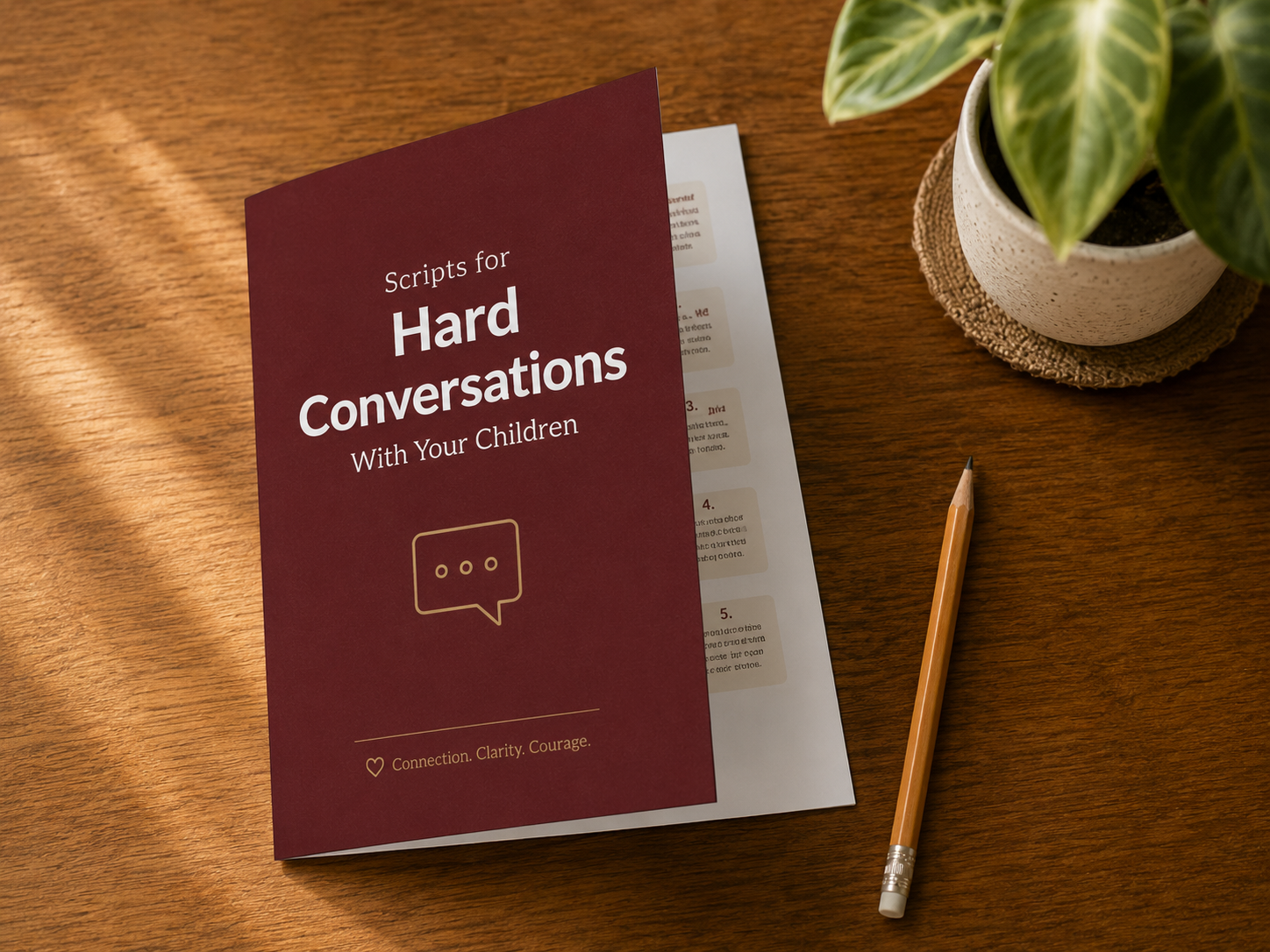
Scripts for Hard Conversations With Your Children
Ten word-for-word scripts for the moments Nigerian mothers dread most — the defiance, the attitude, the "you don't understand me" — written in language that actually sounds like you, not a textbook.
🔒 Paystack secured. Instant delivery. No waiting.
My Personal Guarantee to You
Go through this guide completely. Work through the phases. Use the tools. If at the end of it you genuinely feel it was not worth what you paid, contact me and I will refund you in full.
No hoops. No lengthy explanations required. I am that confident in what this guide will do for you — because I have already seen what it did for me, and for the mothers who tested it before a single copy was sold.
Your money is safe. Your time is what I am asking you to invest. And that investment will pay you back in a different home, a different relationship with your children, and a version of yourself you actually recognise.
Questions Mothers Ask Before Buying
Still Reading? Here Is What Three More Mothers Said
Two Paths From Here
If you start the guide today
If you close this page
You are already the kind of mother who cares enough to be reading this page. The caring was never the question. The question was always whether the right tool would find you. It has.
🔒 Paystack secured | Instant PDF delivery | Full refund guarantee